


How Schools Can Reduce the Spread of Winter Bugs Through Better Hygiene
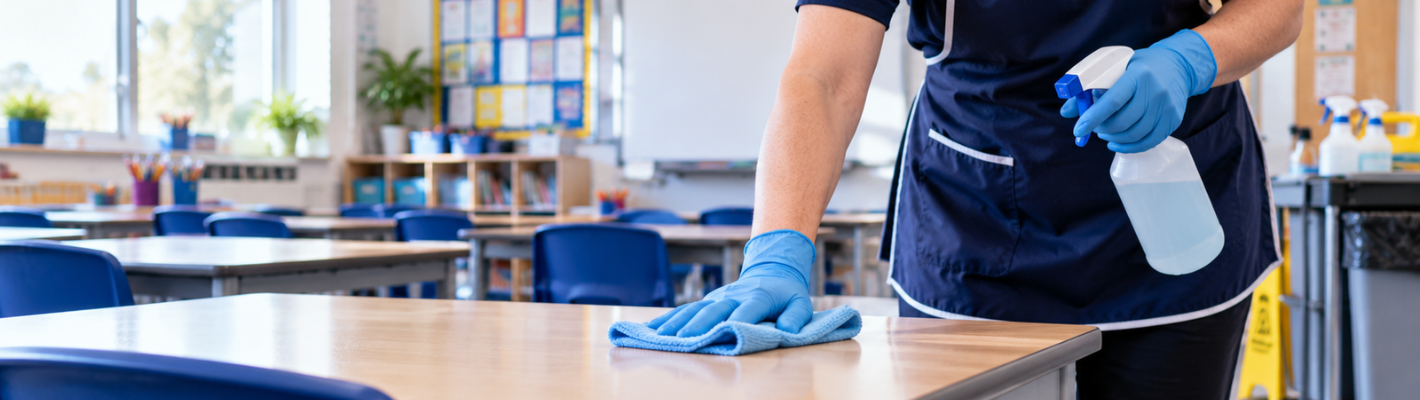
As temperatures drop and winter approaches, schools face the familiar challenge of managing seasonal illnesses, from common colds and flu to stomach bugs. With pupils and staff sharing classrooms, washrooms, dining areas and equipment throughout the school day, maintaining good hygiene becomes particularly important.
While it isn't possible to prevent every illness, effective cleaning routines, good hand hygiene and reliable access to essential hygiene supplies can help schools reduce the spread of infections and maintain a healthier learning environment.
For school business managers, caretakers and facilities teams, winter is an ideal time to review cleaning procedures, check hygiene supplies and ensure the school is prepared for the challenges of the colder months.
Here are six practical ways schools can improve hygiene throughout winter.
1. Make Hand Hygiene a Daily Priority
Handwashing is one of the simplest and most effective ways to help prevent the spread of infections in schools.
Throughout the day, pupils and staff regularly touch shared surfaces, including door handles, desks, keyboards, taps and classroom equipment. Without good hand hygiene, germs can easily transfer between people and surfaces.
Encouraging regular handwashing is particularly important during winter, when respiratory and gastrointestinal infections are more common.
Schools should encourage pupils and staff to wash their hands:
-
Before eating or handling food.
-
After using the toilet.
-
After coughing, sneezing or blowing their nose.
-
After outdoor activities where hands become dirty.
-
Whenever hands are visibly dirty.
Hands should be washed thoroughly with soap and water for at least 20 seconds.
Ensure Handwashing Facilities Are Always Well Stocked
Even the best hand hygiene policies are less effective if washrooms regularly run out of essential supplies.
Schools should ensure that handwashing facilities have a consistent supply of:
-
Disposable paper hand towels or suitable hand-drying facilities.
Hand sanitiser can also be useful in appropriate settings when soap and water are unavailable, although it should not replace handwashing, particularly when dealing with stomach bugs such as norovirus.
2. Pay Extra Attention to Frequently Touched Surfaces
During a typical school day, hundreds of hands may come into contact with the same surfaces.
Door handles, light switches, desks, stair rails and shared equipment can all become contaminated, making regular cleaning an important part of maintaining a hygienic school environment.
While routine cleaning removes dirt and reduces contamination, targeted disinfection may also be necessary in certain circumstances, particularly following incidents involving infectious illness.
Key Areas to Include in Winter Cleaning Routines
Classrooms
Regularly clean desks, tables, door handles, light switches and shared classroom equipment.
Washrooms
Pay particular attention to taps, toilet flushes, door handles, sinks and other frequently touched fixtures.
Dining Areas
Clean dining tables and other frequently touched surfaces between sittings, following appropriate food hygiene procedures.
Communal Spaces
Include reception areas, corridors, stair rails and shared staff facilities in regular cleaning schedules.
Using appropriate commercial cleaning products, microfibre cloths and colour-coded cleaning equipment can help facilities teams maintain consistent cleaning standards.
Cleaning products should always be used according to their instructions, including any required dilution rates and contact times.
3. Keep School Washrooms Clean, Hygienic and Well Maintained
School washrooms are among the busiest shared facilities in any educational setting.
With frequent use throughout the day, they require consistent attention to maintain cleanliness, support good hand hygiene and ensure pupils have access to essential facilities.
During winter, when seasonal illnesses are more prevalent, maintaining reliable washroom hygiene is especially important.
Essential School Washroom Hygiene Practices
A practical washroom maintenance routine should include:
-
Cleaning sinks, taps and toilet fixtures regularly.
-
Checking soap dispensers throughout the school day.
-
Replenishing toilet tissue and hand towels before supplies run out.
-
Emptying waste bins as required.
-
Cleaning frequently touched surfaces.
-
Reporting damaged fixtures or malfunctioning dispensers promptly.
For larger schools and academy trusts, standardising washroom consumables across multiple buildings can also simplify purchasing and stock management.
Why Reliable Washroom Supplies Matter
A shortage of soap, paper towels or toilet tissue can quickly disrupt daily school operations.
By maintaining suitable stock levels and planning replenishment in advance, schools can support hygiene standards while reducing the pressure of last-minute purchasing.
4. Encourage Good Respiratory Hygiene in Classrooms
Winter illnesses can spread when infected individuals cough, sneeze or come into close contact with others.
Although cleaning is important, it should form part of a wider approach to infection prevention that includes respiratory hygiene and appropriate ventilation.
Schools can help pupils develop good everyday habits by encouraging them to:
-
Cover their mouth and nose with a tissue when coughing or sneezing.
-
Dispose of used tissues immediately.
-
Wash their hands after coughing, sneezing or blowing their nose.
-
Avoid sharing personal items where practical.
-
Follow school guidance when experiencing symptoms of infectious illness.
The familiar "Catch it, Bin it, Kill it" message remains a useful way to reinforce good respiratory hygiene.
Make Tissues and Waste Disposal Convenient
Providing tissues and accessible waste bins in classrooms and communal areas makes it easier for pupils and staff to follow good hygiene practices.
Schools should also ensure waste bins are emptied regularly and that suitable bin liners are available.
Alongside these measures, maintaining appropriate ventilation can help reduce the build-up of airborne respiratory particles in indoor spaces.
5. Review Cleaning Procedures During Winter Illness Outbreaks
Despite good preventative measures, schools may still experience periods of increased illness.
When this happens, facilities teams may need to adjust cleaning routines to reflect the situation.
For example, an increase in vomiting or diarrhoea cases may require additional precautions, including appropriate cleaning and disinfection procedures.
It is important to recognise that different infections may require different hygiene measures.
For instance, ordinary cleaning alone may not be sufficient following contamination involving vomit or diarrhoea. Schools should follow relevant public health guidance and use suitable disinfectants according to the manufacturer's instructions.
Preparing Cleaning Teams for Increased Demand
Schools can improve their readiness by ensuring:
-
Cleaning staff understand established infection control procedures.
-
Appropriate cleaning products and protective equipment are available.
-
Staff know how to respond safely to bodily fluid spillages.
-
Cleaning equipment is maintained and stored correctly.
-
Additional supplies can be accessed when needed.
Cleaning teams should also follow the school's COSHH assessments and relevant health and safety procedures when handling cleaning chemicals.
A clear response plan can help schools manage additional cleaning requirements efficiently while protecting staff and pupils.
6. Plan Ahead to Avoid Winter Hygiene Supply Shortages
Good hygiene depends not only on cleaning procedures but also on having the right products available when they are needed.
During winter, schools may experience increased demand for soap, paper towels, tissues, cleaning chemicals and waste management products.
For school business managers and procurement teams, planning ahead can help prevent disruptions and support better budget management.
Create a Winter Hygiene Supplies Checklist
Before winter demand increases, review stock levels of essential products, including:
Hand Hygiene Supplies
-
Hand sanitiser where appropriate.
Washroom Consumables
Cleaning Products
Cleaning Equipment
-
Disposable gloves and other appropriate PPE.
Waste Management
Consider the Benefits of Consolidating School Hygiene Purchasing
For schools and academy trusts purchasing a wide range of cleaning and hygiene consumables, consolidating orders with a reliable supplier may help simplify procurement.
Potential benefits include:
-
Reduced administrative time.
-
More consistent product availability.
-
Easier stock management.
-
Greater consistency across multiple school sites.
-
Improved visibility of hygiene supply expenditure.
Taking a planned approach to winter purchasing can help schools maintain operational efficiency without compromising hygiene standards.
Supporting Better School Hygiene Throughout Winter
Reducing the spread of winter bugs requires a consistent approach to hygiene across the entire school environment.
From encouraging regular handwashing and maintaining clean classrooms to ensuring washrooms remain well stocked, small everyday actions can make an important difference.
For school business managers and facilities teams, preparation is key.
Reviewing cleaning schedules, checking stock levels and ensuring staff have access to appropriate cleaning products can help schools manage seasonal hygiene challenges more effectively.
By combining good hygiene practices with reliable cleaning and washroom supplies, schools can create a cleaner, more comfortable environment for pupils, teachers and support staff throughout the winter months.
Keep Your School Prepared This Winter with Premvan
At Premvan, we understand the importance of maintaining clean, hygienic and well-equipped educational environments.
From everyday cleaning essentials to washroom consumables and janitorial supplies, having the right products available helps schools maintain consistent hygiene standards throughout the year.
Whether you're responsible for a single school or managing purchasing across multiple educational sites, planning your winter hygiene supplies in advance can help reduce unnecessary disruption and keep essential facilities running smoothly.
Explore Premvan's range of cleaning, hygiene and janitorial supplies to help keep your school prepared for the winter months.
