


How to Store and Care for Glassware
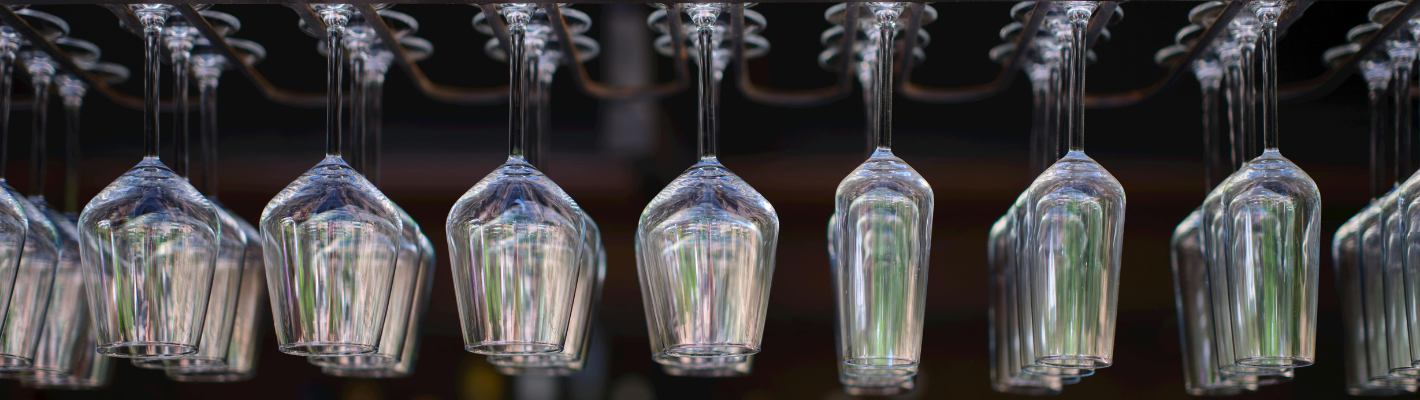
Glassware is a key part of the customer experience in hospitality settings. From wine glasses and champagne flutes to tumblers and cocktail glasses, presentation, cleanliness, and durability all contribute to guest satisfaction. Poorly stored or maintained glassware can lead to breakages, cloudy finishes, hygiene concerns, and unnecessary replacement costs.
For hotels, bars, restaurants, pubs, cafés, and catering venues, implementing proper glassware storage and care procedures is essential for maintaining operational efficiency and delivering a professional service standard.
Why Proper Glassware Care Matters
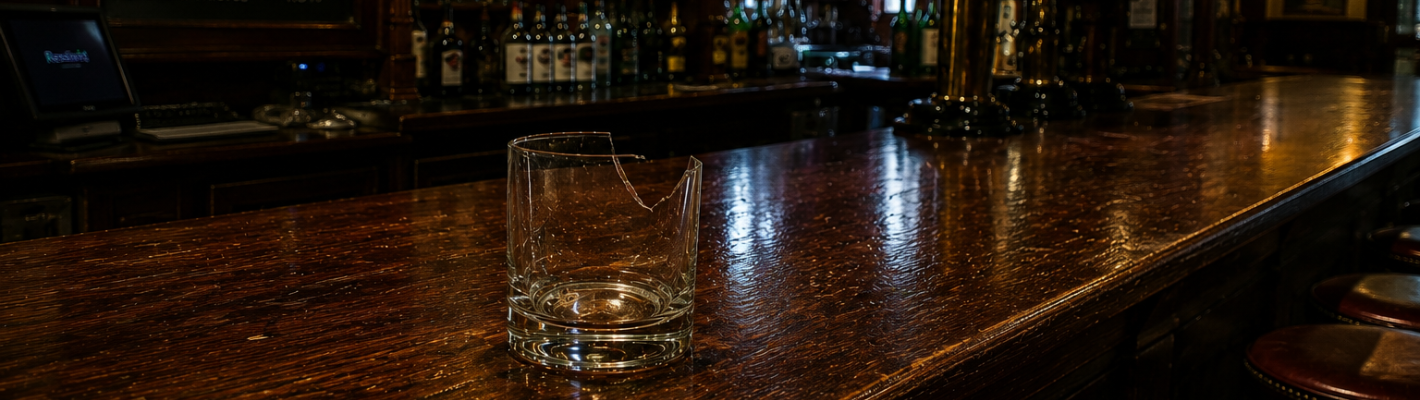
Hospitality businesses use glassware continuously throughout daily operations. Without the right handling and storage practices, glasses can quickly become chipped, scratched, stained, or damaged.
Effective glassware care helps businesses to:
- Reduce replacement costs caused by breakages
- Maintain hygiene and food safety standards
- Improve beverage presentation
- Extend the lifespan of commercial glassware
- Improve operational efficiency during busy service periods
- Protect staff from injuries caused by damaged glass
Well-maintained glassware also reflects positively on your venue’s attention to detail and professionalism.
Common Causes of Glassware Damage
Understanding what damages glassware can help hospitality teams reduce avoidable losses.
Thermal Shock
Rapid temperature changes can weaken or crack glassware. Pouring hot liquids into cold glasses or moving glasses directly from a dishwasher to a cold environment can increase the risk of breakage.
Incorrect Stacking
Stacking unsuitable glasses can create pressure points that lead to chips or cracks. Certain styles of glassware are not designed to be stacked at all.
Poor Washing Practices
Using incorrect detergents, overly harsh chemicals, or excessively high dishwasher temperatures can leave residue, cause clouding, or weaken the glass.
Improper Storage
Storing glassware in overcrowded cupboards or unstable shelving increases the likelihood of chips and breakages during service.
Handling During Service
Carrying multiple glasses incorrectly or holding glasses by the rim can damage the glass and compromise hygiene standards.
Best Practices for Storing Glassware
Proper storage is one of the simplest ways to protect hospitality glassware and reduce unnecessary costs.

1. Store Glassware in a Clean, Dry Area
Glassware should always be stored away from dust, grease, and kitchen contaminants. Storage areas should be dry, well-ventilated, and regularly cleaned to prevent residue build-up.
Avoid storing glasses near cooking equipment or dishwashing stations where steam and grease can affect cleanliness.
2. Use Appropriate Shelving
Commercial-grade shelving helps reduce movement and breakages. Shelves should be stable, level, and capable of supporting the weight of stacked glassware.
Where possible:
- Use non-slip shelf liners
- Keep shelving free from moisture
- Avoid overcrowding shelves
- Leave enough space between glass types for safe access
3. Store Glasses Upright Where Suitable
Many hospitality operators traditionally store glasses upside down, but this can trap moisture and create odours if glasses are not completely dry.
For delicate wine glasses and stemware, storing upright is often preferable to reduce pressure on rims and improve airflow.
Heavy-duty tumblers designed for stacking can typically be stored inverted if fully dry.
4. Separate Different Glass Types
Different glassware styles should be stored separately to avoid accidental damage.
Examples include:
- Wine glasses
- Pint glasses
- Cocktail glasses
- Champagne flutes
- Water tumblers
- Hot beverage glasses
Organised storage also improves speed and efficiency during service.
5. Avoid Excessive Stacking
Not all commercial glassware is stackable. Overstacking creates stress on the glass and increases the risk of chipping.
Always follow manufacturer guidance for stackable products and avoid forcing glasses together.
How to Wash Hospitality Glassware Properly
Clean glassware is essential for both hygiene and presentation. Smears, lipstick marks, detergent residue, and water spots can negatively affect customer perception.
Use the Correct Dishwasher Settings
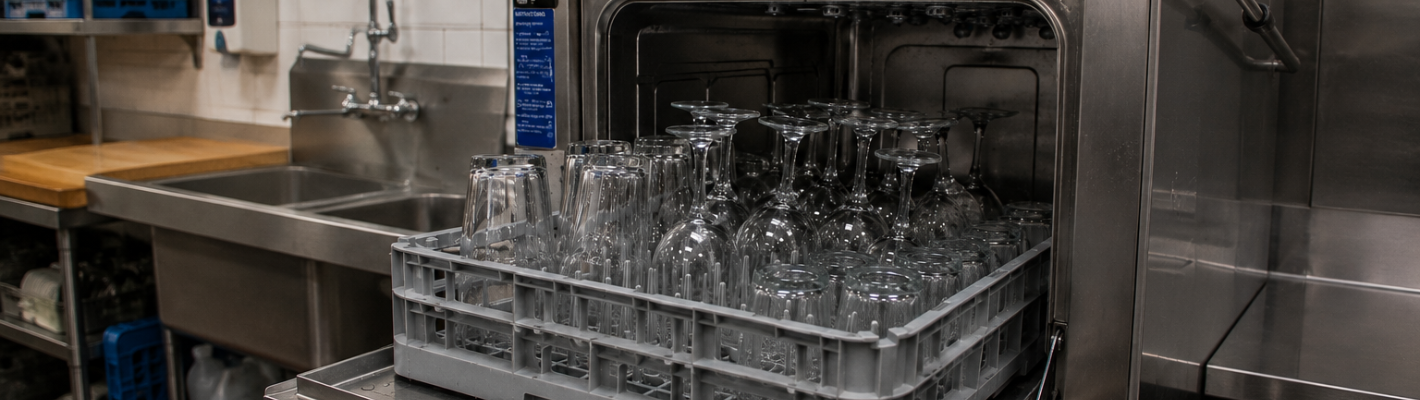
Commercial glasswashers should be calibrated correctly for the type of glassware being used.
Key considerations include:
- Water temperature
- Rinse aid levels
- Water hardness
- Detergent concentration
- Wash cycle length
Excessively hot water can damage delicate glassware over time.
Avoid Overloading Glasswashers
Overloading prevents proper cleaning and increases the likelihood of glasses knocking together during cycles.
Use suitable glass racks and ensure there is sufficient spacing between items.
Polish Glassware Carefully
For premium hospitality venues, polished glassware improves presentation standards.
Use:
- Lint-free polishing cloths
- Steam or warm water to loosen marks
- Separate cloths for drying and polishing
Avoid twisting glasses aggressively during polishing, as this can weaken stems and lead to breakages.
Maintain Water Quality
Hard water can leave spotting and mineral deposits on glassware.
Installing water softeners or filtration systems can help maintain clarity and improve the appearance of glasses.
When to Replace Commercial Glassware
Even with proper care, hospitality glassware will eventually need replacing.
Glasses should be removed from service if they show:
- Chips or cracks
- Permanent clouding
- Scratches affecting appearance
- Unstable bases
- Weakened stems
Damaged glassware not only affects presentation but can also create safety risks for staff and guests.
Choosing Durable Glassware for Hospitality Use
Selecting the right commercial-grade glassware can help reduce long-term operational costs.
Hospitality businesses should consider:
- Toughened or tempered glass options
- Stackable designs where appropriate
- Dishwasher-safe products
- Suitable thickness for high-volume use
- Compatibility with storage systems and glasswashers
Different environments may require different solutions. For example, busy pubs and event venues often prioritise durability, while fine dining restaurants may prioritise presentation and specialist stemware.
Supporting Hygiene and Operational Standards
Glassware care is closely linked to broader hospitality hygiene and operational standards.
Maintaining clean and organised storage areas, implementing regular inspection routines, and training staff on correct handling procedures can help venues improve consistency across service.
Regular stock checks also help identify breakage trends, allowing businesses to review storage systems or operational practices where necessary.
Final Thoughts
Proper glassware storage and care can have a significant impact on hospitality operations. From reducing breakages and replacement costs to improving presentation and hygiene, small changes in handling and storage procedures can deliver long-term benefits.
For hospitality businesses operating in fast-paced environments, investing in the right storage systems, cleaning processes, and durable commercial glassware helps support efficient service and a consistently professional customer experience.
Whether managing a restaurant, hotel, pub, café, or catering operation, implementing best practices for glassware care is an important part of maintaining quality standards across your venue.
