


Why Cleaning Supplies and PPE Are Critical for UK Care Homes
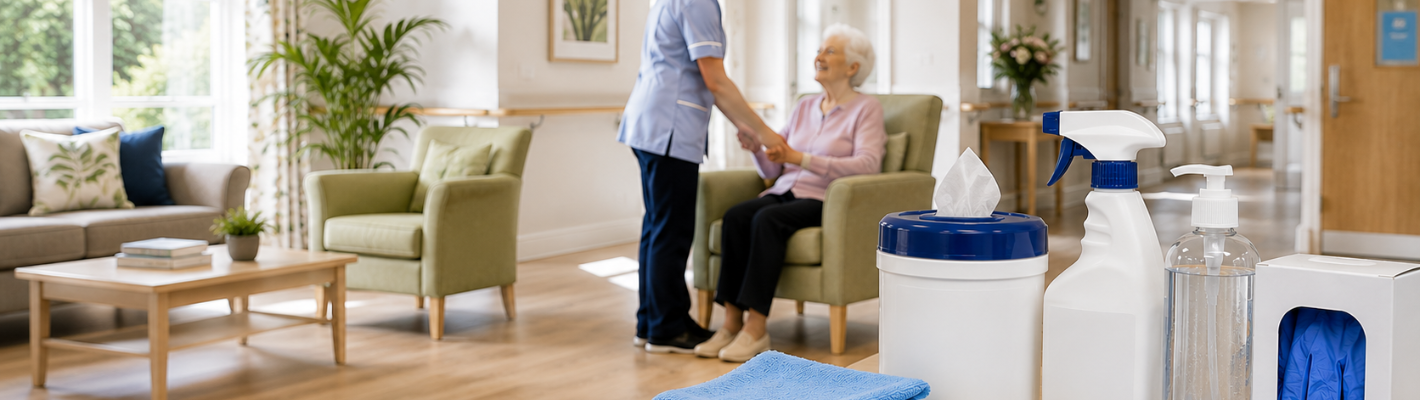
Supporting Safer, Cleaner, and More Efficient Care Environments
Maintaining exceptional hygiene standards has always been fundamental within UK care homes, but increasing regulatory expectations, infection prevention requirements, and operational pressures mean that choosing the right cleaning supplies and PPE has never been more important.
For care home operators, procurement managers, and facilities teams, investing in reliable cleaning products and personal protective equipment (PPE) is not simply about compliance, it is essential for protecting residents, supporting staff, and maintaining operational continuity.
The Importance of Cleaning Supplies in Care Homes
Care homes face unique hygiene challenges. High-touch surfaces, communal spaces, dining facilities, washrooms, and resident rooms require frequent cleaning and disinfection throughout the day.
Effective care home cleaning supplies help organisations:
-
Reduce the spread of infections and illnesses
-
Support safer environments for vulnerable residents
-
Improve staff efficiency through easier cleaning processes
-
Maintain compliance with hygiene and inspection requirements
-
Reduce long-term operational costs through effective product selection
Using professional-grade cleaning products designed for commercial environments can also improve consistency across daily cleaning routines and reduce unnecessary product waste.
Key Cleaning Supplies Every Care Home Should Consider
Care homes require a broad range of cleaning products to maintain hygiene standards effectively.
Surface Cleaning and Disinfection
High-touch areas such as handrails, door handles, communal tables, reception desks, and staff areas require regular disinfection.
Essential products often include:
-
Surface disinfectants
-
Antibacterial cleaning sprays
-
Sanitising wipes
-
Multi-surface cleaners
-
Concentrated cleaning chemicals
Washroom Hygiene Products
Washroom cleanliness plays a significant role in infection prevention and resident wellbeing.
Common requirements include:
-
Toilet cleaners and descalers
-
Washroom disinfectants
-
Hand soaps and sanitising products
-
Paper hygiene products
-
Waste disposal consumables
Floor Cleaning Products
Floors represent one of the largest cleaning requirements within care facilities.
Many care homes benefit from:
-
Floor cleaners
-
Degreasers
-
Mopping systems
-
Disposable cleaning cloths
-
Commercial cleaning equipment and consumables
Why PPE Remains Essential in Care Home Settings
Personal Protective Equipment (PPE) continues to play a critical role in protecting staff, residents, visitors, and contractors.
Appropriate PPE supports infection control protocols and provides staff with confidence when carrying out daily care and cleaning tasks.
Typical PPE requirements for care homes include:
Disposable Gloves
Gloves remain one of the most frequently used PPE products in care settings.
They support:
-
Personal care activities
-
Cleaning tasks
-
Food preparation environments
-
Waste handling procedures
Face Masks
Masks may continue to be used during outbreaks, high-risk activities, or when supporting vulnerable residents.
Aprons and Protective Clothing
Disposable aprons and protective garments help reduce contamination risks during cleaning, care delivery, and maintenance tasks.
Hand Protection and Hygiene Products
PPE strategies should also include:
-
Hand sanitiser stations
-
Skin-friendly hand soaps
-
Moisturising products for frequent handwashing environments
Managing Infection Control Through Better Procurement
Purchasing cleaning supplies and PPE separately from multiple suppliers can create operational challenges.
Care homes increasingly benefit from consolidated purchasing because it can:
-
Reduce procurement administration
-
Improve stock availability
-
Simplify ordering processes
-
Improve cost control
-
Ensure consistent product quality
Working with reliable B2B suppliers allows care homes to maintain supply continuity while reducing unnecessary operational disruption.
Choosing the Right Supplier for Care Home Cleaning Supplies and PPE
Selecting a supplier should go beyond simply comparing prices.
Care homes should consider:
-
Product consistency
-
Commercial supply capability
-
Reliable stock availability
-
Delivery performance
-
Product range breadth
-
Customer support and account management
Reliable suppliers can help care operators build resilient supply chains while ensuring day-to-day operations continue without interruption.
Final Thoughts
Maintaining hygiene standards within care homes requires more than routine cleaning. It requires dependable cleaning supplies, reliable PPE availability, and procurement processes that support operational efficiency.
By investing in appropriate cleaning products and protective equipment, care homes can create safer environments for residents, improve staff confidence, and strengthen infection control procedures across their facilities.
As hygiene expectations continue to evolve, having the right products available at the right time remains essential for delivering high-quality care.
